
***Important Fraud Alert***
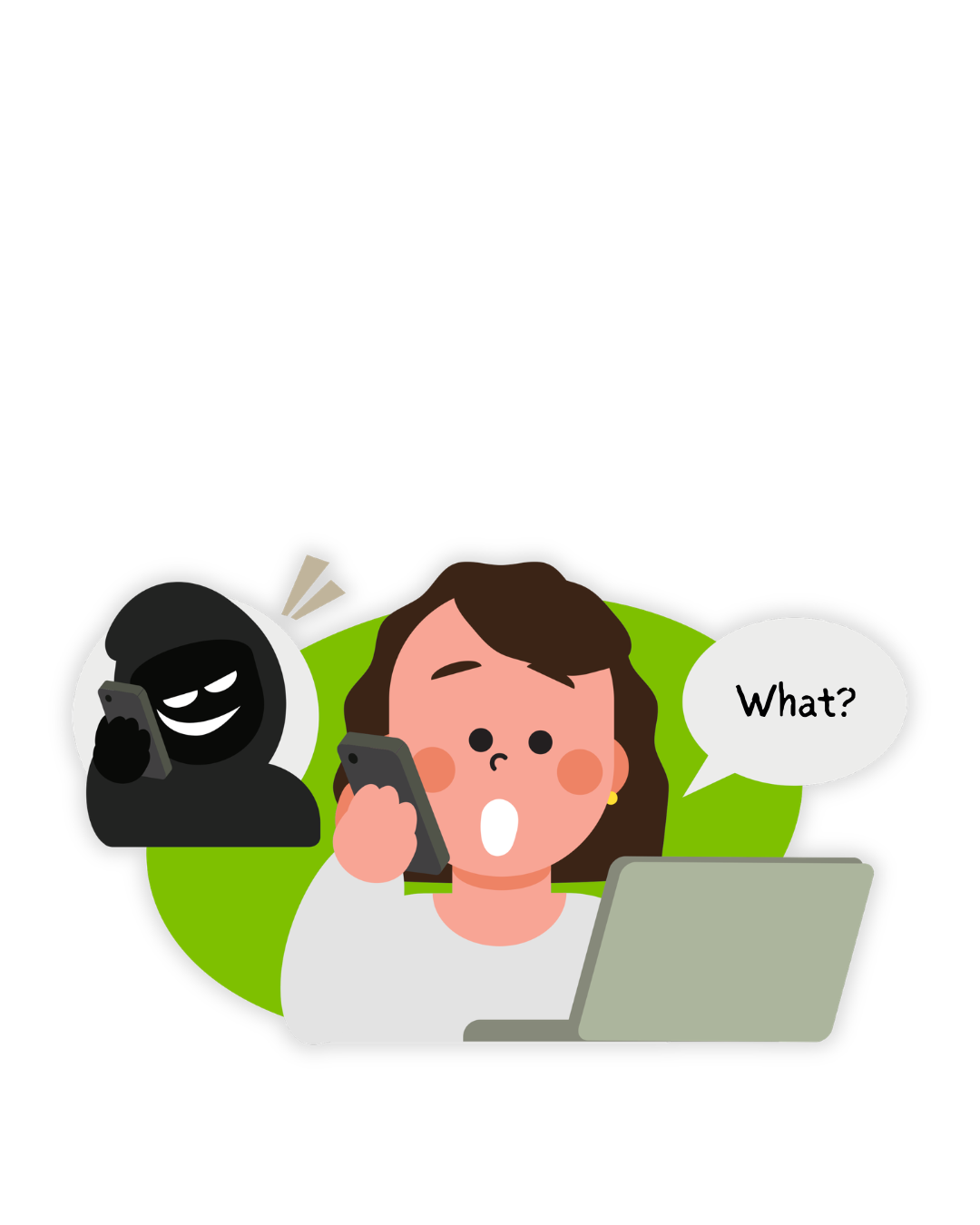 Fake Fraud Services Phone Calls
Fake fraud services calls are an effective trick often used by scammer where the calls or messages appear to be coming from your financial institution or the fraud department. There has been an increase in these types of scams, asking members to verify or authenticate a transaction. If the scammers are successful at getting you to divulge certain information, they can use it to make large withdrawals from your accounts or takeover your account entirely!
How the Scam Works
Typically, you get a phone call with the fraudster pretending to be with your bank or credit union’s fraud department. The caller is likely using a spoofed phone number so the incoming number looks legitimate. The caller explains that possible fraudulent activity occurred on your card, and they provide you with fake transaction details so you believe your card was compromised. Under the guise of verifying your identity and helping you get a new card, the scammer will attempt to gain card, personal and other banking information from you.
Major Red Flags
It’s not always easy to identify a phone call as a scam from the start. Many successful scammers use tools to appear legitimate. But when it comes time to gain the information that they need from you, there are some common major warning signs.
When to Hang UP
- The caller asks for your PIN.
- NEVER provide your PIN to ANYONE—verbally or with your phone keypad.
- The caller asks you to provide your card number and/or account number.
- The caller asks you the CVV number on your card.
- The caller asks you to provide your online banking ID or password.
Answer Incoming Calls with Caution
Even if you think you will never fall for a scam, always be cautious with information that you provide to an incoming caller. One simple step you can take to protect yourself is to hang up and call the financial institution back at a number you know and trust—such as the phone number provided on the back of your debit or credit card or the one listed on their website. Do not redial from the incoming call or use any other number provided by the caller.
How our Fraud Services Team may contact you
- A text alert from us warning of suspicious activity on your card will NEVER include a link to be clicked. Never click on a link in a text message that is supposedly from us. A valid notification will provide information about the suspect transaction and ask the cardholder to reply to the text message with answers such as ‘yes’, ‘no’, ‘help’, or ‘stop’. It will never include a link.
- A text alert from us will always be from a 5-digit number and NOT a 10-digit number resembling a phone number. Our text caller IDs will be 20733 or 37268.
- A phone call from our institution’s automated dialer will only include a request for your zip code, and no other personal information unless you confirm that a transaction is fraudulent. Only then will you be transferred to an agent who will ask questions to confirm that you are the actual cardholder before going through your transactions with you. If at any point you are uncertain about questions being asked or the call itself, hang up and call us directly.
- We will NEVER ask you for your PIN or the 3-digit security code on the back of your card. Don’t give them out to anyone, no matter what they say. Hang up and call us directly. Fraudsters will often ask cardholders to verify fake transactions. When the cardholder says no, they did not perform those transactions, the fraudster then says that their card will be blocked, a new card will be issued, and that they need the card’s PIN to put it on the new card.
- Regularly check your account online to see if there are any suspicious transactions that have occurred, but especially If you are unsure about a call or text message you’ve received. If anything looks amiss, call us directly for assistance.
Contact us- 860.627.4200 or 800.544.4728
If you have any questions about this information, we encourage you to speak with a 360FCU representative to learn more. If you suspect that you may have given information to a possible scammer, it is important to contact us IMMEDIATELY so we can take measures to help you protect your information and account.
Other Critical Scams to be aware of:
FBI Impersonation Scams
We have been warned about a new scam involving the FBI, FDIC, or other government agencies. What the scam could look like: Imagine receiving a phone call telling you that your identity has been stolen, your accounts may be involved in criminal activity, and your life savings are at risk. The person on the phone says they are working with the FBI, FDIC or another government agency. They know enough about you to sound legitimate. They may provide case numbers, official-looking documents or other information that makes the investigation seem real.
Then comes their solution: Move your money somewhere safe. You may be told that your bank—or even bank employees—cannot be trusted. You may be instructed not to tell your family, your financial institution, or local law enforcement what is happening because doing so could jeopardize the “investigation.” Finally, you’re told to withdraw cash or purchase gold so the government can place your assets in a “federal locker,” “bank locker” or “government vault” for safekeeping.
Remember this one rule: The FBI, FDIC and other legitimate government agencies will NEVER ask you to withdraw cash, buy gold or precious metals, or meet a courier to hand over your money for safekeeping. The FBI or other government officials ARE NOT coming to pick up your money! This is a SCAM. If this happens to you, call your financial institution at a phone number you know to be legitimate. DO NOT use a phone number provided by someone calling you.
To learn more about other common scams, please visit the FTC website.